Future of Adult Entertainment
Let’s get real about something most people won’t talk about openly: the adult entertainment industry is changing faster than ever before—and these changes affect millions of people worldwide.
Whether you consume adult content occasionally, regularly, or not at all, understanding where this multi-billion dollar industry is heading matters. Why? Because these trends influence broader conversations about technology, privacy, ethics, consent, and human intimacy in the digital age.
Here’s what nobody’s telling you: the future of adult entertainment isn’t just about new technology—it’s about a fundamental shift in how content is created, distributed, and consumed. From virtual reality experiences to AI-generated content, from ethical production standards to creator-owned platforms, the landscape is being completely reshaped.
This is a judgment-free zone. We’re going to explore the actual trends, the technology, the ethical considerations, and what it all means for consumers and creators alike. No shame, no sensationalism—just honest, evidence-based analysis.
Here’s what we’ll explore:
Table of Contents
- 📍 How to Navigate Adult Entertainment Trends in 2025
- 📍 What Are the Future Technologies in Adult Entertainment?
- 📍 Why Is Virtual Reality Popular in Adult Entertainment?
- 📍 When Should I Consider Using Adult Entertainment Apps?
- 📍 What Are the Top Emerging Trends in Adult Entertainment?
- 📍 What Is the Impact of AI on Adult Entertainment?
- 📍 How Do I Choose the Best Adult Entertainment Platform?
- 📍 How Do I Stay Safe in Online Adult Entertainment?
- 📍 Frequently Asked Questions
How to Navigate Adult Entertainment Trends in 2025
The adult entertainment landscape in 2025 looks radically different from even five years ago. If you’re trying to understand what’s happening in this space—whether for personal reasons, professional curiosity, or relationship discussions—here’s what you need to know.
The Five Major Shifts Reshaping the Industry
The industry is experiencing five fundamental transformations that are changing everything:
1. Technology Integration: Virtual reality, augmented reality, and haptic feedback devices are creating immersive experiences that blur the line between digital and physical intimacy. According to industry reports, VR adult content consumption has grown by 42% year-over-year since 2023.
2. AI and Automation: Artificial intelligence is being used for content personalization, recommendation algorithms, and even content generation. This raises both exciting possibilities and serious ethical questions about consent, deepfakes, and authenticity.
3. Ethical Production Standards: There’s a growing consumer demand for ethically produced content—meaning fair pay for performers, verified consent, safe working conditions, and transparent business practices. This shift is being driven by younger consumers who care about the ethics behind what they consume.
4. Creator-Owned Platforms: The rise of platforms like OnlyFans has fundamentally changed the power dynamics in adult entertainment. Creators now have direct relationships with their audience, control over their content, and significantly higher earnings compared to traditional studio models.
5. Privacy and Security Technology: With increasing concerns about data breaches and privacy, new technologies are emerging to protect consumer anonymity, secure payment methods, and prevent unauthorized content distribution.

What This Means for Consumers
If you’re navigating this landscape, here’s the practical reality: you have more choices, more control, and more responsibility than ever before.
More choices means you can find content that aligns with your values—whether that’s supporting independent creators, choosing ethically produced content, or exploring new technologies like VR.
More control means you can customize your experience, set boundaries, and engage with content on your own terms through subscription models, pay-per-view options, or free platforms.
More responsibility means understanding the implications of your consumption—from the ethical treatment of performers to the privacy of your data to the impact on your own sexual health and relationships.
The Uncomfortable Truth About Trend-Chasing
Here’s what the industry won’t tell you: just because something is trending doesn’t mean it’s right for you. The constant push toward “new” and “innovative” experiences can create a sense of inadequacy or FOMO (fear of missing out).
The healthiest approach? Understand the trends, but make choices based on your own values, relationship dynamics, and personal well-being—not what’s being marketed as the “next big thing.”
What Are the Future Technologies in Adult Entertainment?
Technology is the primary driver of change in adult entertainment. Let’s break down what’s actually happening versus what’s just hype.
Virtual Reality (VR) and Augmented Reality (AR)
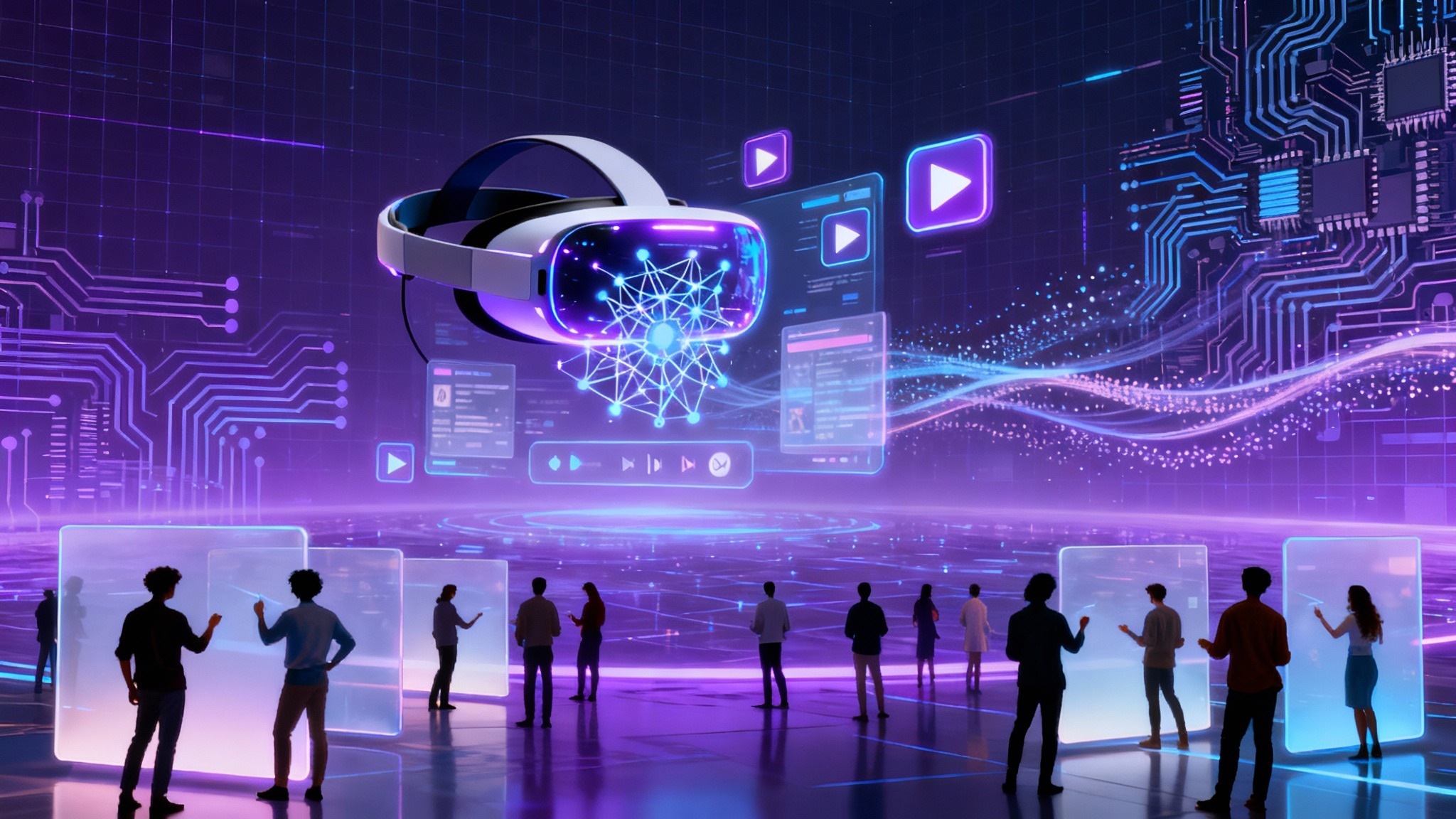
What it is: VR creates fully immersive 3D environments using headsets like Meta Quest or PlayStation VR. AR overlays digital content onto the real world through devices like smartphones or AR glasses.
Current state: VR adult content is now mainstream, with major platforms investing heavily in production. The technology has improved dramatically—higher resolution, better tracking, and more comfortable headsets make the experience more realistic than ever.
What’s coming: Expect full-body haptic suits that provide physical sensations synchronized with VR content, eye-tracking technology for more responsive experiences, and social VR spaces where users can interact with others in virtual environments.
The reality check: While VR offers novelty and immersion, it’s still a solitary experience that can’t replace genuine human connection. Some users report that excessive VR use creates unrealistic expectations about real-world intimacy.
Artificial Intelligence and Machine Learning
What it is: AI is being used for content recommendation, personalization, chatbots, voice synthesis, and even generating entirely synthetic content.
Current state: AI-powered recommendation algorithms are already standard across major platforms. AI chatbots offer interactive experiences, and early experiments with AI-generated content are underway.
What’s coming: Fully AI-generated performers (raising serious ethical questions), real-time content customization based on user preferences, and AI-powered interactive experiences that respond to user input.
The ethical minefield: AI-generated content raises massive concerns about consent, deepfakes, and the potential for creating non-consensual synthetic content using someone’s likeness. This is an area where regulation is desperately needed but lagging behind technology.
Teledildonics and Haptic Technology
What it is: Internet-connected devices that can be controlled remotely or synchronized with content to provide physical sensations.
Current state: Devices like Lovense, Kiiroo, and others already allow long-distance couples to connect intimately or sync with VR/video content for enhanced experiences.
What’s coming: More sophisticated haptic feedback, full-body suits, temperature control, and better integration with VR and AR platforms.
The relationship angle: For long-distance couples, this technology can genuinely help maintain intimacy. However, like any tool, it works best as a supplement to—not replacement for—emotional connection and communication.
Blockchain and NFTs
What it is: Blockchain technology for content verification, ownership, and payment systems. NFTs (non-fungible tokens) for exclusive content ownership.
Current state: Some platforms are experimenting with cryptocurrency payments for anonymity and blockchain for content authentication and anti-piracy measures.
What’s coming: Potentially more widespread adoption for creator payments, content verification, and exclusive content ownership models.
The skepticism: Much of the blockchain/NFT hype in adult entertainment is speculative. The practical benefits for most consumers remain unclear, and the environmental impact of blockchain technology is concerning.
Biometric Integration
What it is: Using biometric data (heart rate, arousal indicators, eye tracking) to create responsive, adaptive content experiences.
Current state: Early experimental stages with some VR platforms testing heart rate monitoring for adaptive content.
What’s coming: More sophisticated biometric feedback loops that adjust content in real-time based on user responses.
The privacy concern: Biometric data is incredibly sensitive. The idea of companies collecting data about your physiological responses to content raises serious privacy and security questions.
Why Is Virtual Reality Popular in Adult Entertainment?
VR has become one of the fastest-growing segments in adult entertainment. But why? Let’s look beyond the obvious.
The Psychology of Immersion
VR creates a sense of “presence”—the feeling that you’re actually in the environment you’re viewing. This psychological phenomenon is powerful because it engages multiple senses simultaneously and tricks your brain into responding as if the experience is real.
For adult content, this means a more intense experience than traditional 2D video. Your brain processes VR content differently, activating similar neural pathways as real-world experiences.
The Novelty Factor
Let’s be honest: novelty drives a lot of VR adoption. The technology is still relatively new, and the “wow factor” attracts curious consumers willing to invest in headsets and content.
However, novelty wears off. The question for the industry is whether VR can provide sustained value beyond the initial excitement.
The Accessibility Angle
VR headsets have become significantly more affordable and accessible. Devices like Meta Quest 2 (now Quest 3) brought the price point down to $299-$499, making VR accessible to mainstream consumers rather than just early adopters.
As the technology becomes more common for gaming, social interaction, and entertainment, the stigma around using it for adult content decreases.
The Isolation Problem
Here’s the uncomfortable truth: VR’s popularity in adult entertainment may also reflect increasing social isolation and difficulty forming real-world intimate connections.
While VR can be a tool for exploration or a supplement to a healthy sex life, excessive use as a replacement for human connection can reinforce isolation and create unrealistic expectations about intimacy.
If you’re using VR content, it’s worth asking yourself: Is this enhancing my life and relationships, or is it becoming a substitute for real connection?
The Long-Distance Relationship Use Case
One genuinely positive application: VR combined with teledildonics offers long-distance couples a way to maintain physical intimacy when separated by geography.
For military families, international relationships, or couples temporarily apart for work, this technology can be a meaningful tool for maintaining connection and intimacy.
Ready to Explore Real Intimacy Beyond Technology?
Technology can enhance connection, but nothing replaces genuine intimacy. Discover practical ways to deepen your relationship.
When Should I Consider Using Adult Entertainment Apps?
The rise of mobile apps has made adult content more accessible than ever. But accessibility doesn’t always equal appropriateness. Here’s how to think about this question honestly.
The Legitimate Use Cases
1. Long-distance relationships: Apps that facilitate connection between partners separated by distance can genuinely support relationship health when used intentionally.
2. Sexual education: Some apps focus on education about anatomy, pleasure, communication, and sexual health—these can be valuable resources for individuals and couples.
3. Couples’ exploration: Apps designed for couples to explore fantasies, improve communication, or try new things together can enhance intimacy when both partners are enthusiastic and consenting.
4. Solo exploration: For single individuals, apps can be a way to explore sexuality in a relatively safe, private environment.
The Red Flags
When it’s interfering with daily life: If you’re using apps during work, neglecting responsibilities, or hiding usage from important people in your life, that’s a warning sign.
When it’s replacing real connection: If apps become your primary source of sexual satisfaction and you’re avoiding or unable to form real-world intimate relationships, that’s problematic.
When it’s creating financial strain: Subscription services and in-app purchases can add up quickly. If you’re spending money you can’t afford or hiding expenses, that’s a red flag.
When it’s violating relationship agreements: If you’re in a relationship and using apps in ways that violate your partner’s trust or your mutual agreements, that’s a betrayal regardless of whether you consider it “cheating.”
The Privacy and Security Considerations
Before using any adult entertainment app, understand these risks:
Data collection: Apps collect extensive data about your preferences, viewing habits, and personal information. This data can be sold, leaked, or hacked.
Payment information: Your credit card statements will show charges from these services. Consider privacy-focused payment methods if discretion matters.
Device security: Adult apps can be vectors for malware. Only download from official app stores, read reviews, and check permissions carefully.
Account security: Use strong, unique passwords and enable two-factor authentication. Account breaches in this industry can be particularly damaging.
The Conversation with Your Partner
If you’re in a relationship, the question isn’t just “Should I use this app?” but “How do we navigate this together?”
Healthy relationships require honest conversations about boundaries, expectations, and what each partner is comfortable with. Using apps without discussion creates secrecy, which erodes trust even if the activity itself isn’t inherently problematic.
Consider asking: “What are our boundaries around adult content and apps? What feels like a betrayal to you? How can we both feel respected and heard in this conversation?”
What Are the Top Emerging Trends in Adult Entertainment?
Beyond the major technological shifts, several emerging trends are reshaping the industry in significant ways.
1. The Creator Economy Revolution
The biggest shift in adult entertainment isn’t technological—it’s economic. Creator-owned platforms have fundamentally changed who has power and who profits.
What’s happening: Platforms like OnlyFans, Fansly, and others allow creators to build direct relationships with subscribers, set their own prices, and keep 80-90% of revenue (compared to 20-30% in traditional studio models).
Why it matters: This shift gives performers more control, better compensation, and the ability to work independently. It’s also created opportunities for people who wouldn’t fit traditional industry standards.
The challenges: Creators bear all the business responsibilities—marketing, customer service, content production, and dealing with harassment. The income is also highly variable and unpredictable.

2. Ethical and Feminist Pornography
There’s growing demand for content produced under ethical conditions with fair pay, verified consent, diverse representation, and authentic pleasure.
What’s happening: Companies like Erika Lust, Bellesa, and others are building brands around ethical production values, female pleasure, and realistic depictions of sexuality.
Why it matters: This trend reflects changing consumer values, particularly among younger audiences who care about the ethics behind what they consume.
The skepticism: “Ethical porn” can be a marketing term without substance. Look for specific practices: performer contracts, consent verification, fair pay disclosure, and transparent business practices.
3. Interactive and Gamified Content
What’s happening: Content that allows user choices, branching narratives, and game-like elements is becoming more common.
Why it matters: Interactive content creates engagement beyond passive viewing, potentially leading to longer session times and higher subscription retention.
The concern: Gamification can make content more addictive by triggering reward pathways in the brain similar to gambling or video game addiction.
4. Niche and Micro-Communities
What’s happening: The internet enables highly specific niche content and communities that would never be commercially viable in traditional distribution models.
Why it matters: People with specific interests, identities, or preferences can find content and community that reflects their experiences.
The double edge: While this can be affirming and positive, it can also enable harmful content or reinforce unhealthy patterns.
5. Age Verification and Regulation
What’s happening: Governments worldwide are implementing stricter age verification requirements for adult content platforms.
Why it matters: Protecting minors from accessing adult content is important, but implementation raises serious privacy concerns.
The debate: How do you verify age without creating databases of who’s accessing adult content? This is an unsolved problem with significant privacy implications.
6. Mental Health and Wellness Integration
What’s happening: Some platforms are beginning to integrate mental health resources, addiction support, and wellness content alongside adult entertainment.
Why it matters: This acknowledges that adult content consumption exists on a spectrum from healthy to problematic, and some users need support.
The cynicism: Is this genuine concern for user well-being, or is it reputation management? Time will tell whether these initiatives have substance.
What Is the Impact of AI on Adult Entertainment?
Artificial intelligence is perhaps the most controversial and consequential technology entering the adult entertainment space. Let’s break down what’s actually happening.
AI for Content Personalization
What it does: AI algorithms analyze your viewing patterns, preferences, and behavior to recommend content you’re likely to engage with.
The benefit: More relevant content, less time searching, better user experience.
The concern: These algorithms are designed to maximize engagement, which can mean pushing you toward more extreme content over time. The AI doesn’t care about your well-being—it cares about keeping you on the platform.
AI-Generated Content
What it does: AI can now generate realistic images, videos, and audio of people who don’t exist or create synthetic content using existing performers.
The potential: Unlimited content creation, customization to individual preferences, and content featuring entirely synthetic performers (avoiding exploitation of real people).
The nightmare scenario: Deepfakes—non-consensual synthetic content using someone’s likeness without permission. This technology has already been used to create fake pornography of celebrities, ex-partners, and even minors.
This is not theoretical. It’s happening now, and the legal and ethical frameworks to address it are woefully inadequate.
AI Chatbots and Virtual Companions
What it does: AI-powered chatbots that engage in sexual conversations, roleplay, and provide companionship.
The appeal: Available 24/7, non-judgmental, customizable to preferences, no risk of rejection or complicated human emotions.
The concern: These interactions can become a substitute for human connection, particularly for people who already struggle with social anxiety or isolation. The AI is designed to be maximally appealing and agreeable—it’s not preparing you for real relationships with real people who have their own needs and boundaries.
AI for Content Moderation
What it does: AI systems scan uploaded content for illegal material, non-consensual content, and minors.
The necessity: The volume of content uploaded to platforms makes human moderation alone impossible. AI is essential for identifying harmful content quickly.
The limitation: AI makes mistakes—both false positives (flagging legitimate content) and false negatives (missing harmful content). Human oversight remains essential.
The Consent Crisis
Here’s the fundamental problem with AI in adult entertainment: consent becomes meaningless when AI can create realistic content of anyone without their participation or permission.
Traditional adult entertainment, whatever its problems, involves real people who (ideally) consent to participate. AI-generated content breaks this fundamental principle.
We need urgent legal frameworks that:
- Make non-consensual deepfakes illegal with serious penalties
- Require clear labeling of AI-generated content
- Give individuals rights over their digital likeness
- Hold platforms accountable for hosting non-consensual content
Until these protections exist, AI in adult entertainment remains ethically problematic at best and actively harmful at worst.
How Do I Choose the Best Adult Entertainment Platform?
If you’ve decided to consume adult content, choosing the right platform matters—for ethical, safety, and quality reasons.
Ethical Considerations
Performer compensation: Does the platform pay performers fairly? Creator-owned platforms typically offer better compensation than traditional studios or tube sites.
Consent verification: How does the platform verify that all performers consented to the content being uploaded and distributed? Reputable platforms have clear policies and verification processes.
Content removal: Can performers request removal of their content? Ethical platforms respect performers’ right to control their content even after initial upload.
Age verification: Does the platform have robust systems to ensure all performers are adults? This should be non-negotiable.
Safety and Privacy
Data practices: Read the privacy policy. What data is collected? How is it used? Is it sold to third parties?
Payment security: Does the platform use secure payment processing? Will charges appear discreetly on your statement?
Account security: Does the platform offer two-factor authentication? How are passwords stored?
Malware risk: Stick to established platforms. Free tube sites often have aggressive advertising and malware risks.
Content Quality and Variety
Production values: Higher-quality production typically correlates with better working conditions for performers.
Diversity: Does the platform offer diverse representation in terms of body types, ethnicities, gender identities, and sexual orientations?
Authenticity: Some platforms focus on authentic pleasure and realistic scenarios rather than performative content.
Business Model
Subscription vs. pay-per-view: Subscriptions offer unlimited access but ongoing costs. Pay-per-view gives more control over spending.
Free vs. paid: Free platforms make money through advertising and often have questionable content sourcing. Paid platforms typically offer better quality and ethics.
Creator-direct vs. studio: Supporting individual creators gives them more of your money and more control over their work.
Red Flags to Avoid
- Platforms that don’t verify performer age and consent
- Sites with aggressive pop-ups and malware warnings
- Platforms that make it difficult to cancel subscriptions
- Sites that don’t have clear content removal policies
- Platforms with poor reputation for data security
- Sites that host obviously non-consensual content
The Tube Site Problem
Free “tube sites” (think: the YouTube of porn) have serious ethical problems:
Piracy: Much of the content is uploaded without permission, meaning performers aren’t compensated.
Non-consensual content: These sites have been caught hosting revenge porn, hidden camera footage, and other non-consensual material.
Exploitation: The business model depends on free content, which often means exploitative production conditions.
If you care about ethics, avoid tube sites and support platforms that compensate performers fairly.
Looking for Authentic Connection?
Technology and content can’t replace genuine intimacy. Discover resources for building real connection in your relationship.
How Do I Stay Safe in Online Adult Entertainment?
Safety in online adult entertainment isn’t just about avoiding malware—it’s about protecting your privacy, security, finances, and mental health.
Digital Security Basics
Use a VPN: A virtual private network encrypts your internet traffic and hides your IP address, adding a layer of privacy.
Private browsing mode: Use incognito/private mode to prevent browsing history from being saved on your device.
Separate email: Create a dedicated email address for adult content accounts, separate from your personal or professional email.
Strong passwords: Use unique, complex passwords for each platform. Consider a password manager.
Two-factor authentication: Enable 2FA wherever available to protect against account breaches.
Financial Safety
Virtual credit cards: Services like Privacy.com let you create single-use or limited virtual card numbers, protecting your actual credit card information.
Prepaid cards: For maximum privacy, use prepaid debit cards purchased with cash.
Monitor statements: Regularly check your credit card statements for unauthorized charges.
Understand billing: Know exactly what you’re signing up for—subscription frequency, renewal terms, and cancellation policies.
Set spending limits: It’s easy to overspend on subscriptions, tips, and pay-per-view content. Set a monthly budget and stick to it.
Privacy Protection
Don’t use real information: Use pseudonyms, not your real name. Don’t share identifying information.
Separate devices: If privacy is critical, consider using a dedicated device for adult content that’s not connected to your work or personal accounts.
Be cautious with webcam services: Assume anything you do on camera could be recorded and shared, regardless of platform policies.
Understand data collection: Platforms collect extensive data about your preferences and behavior. This data can be breached, sold, or subpoenaed.
Emotional and Mental Health Safety
Set time limits: It’s easy to lose hours to adult content. Set boundaries for yourself about when and how long you’ll engage.
Check your motivations: Are you using content for entertainment, or are you avoiding difficult emotions, relationship problems, or responsibilities?
Notice escalation: If you find yourself needing increasingly extreme content to feel satisfied, that’s a warning sign of problematic use.
Maintain real connections: Adult content should not replace real-world intimacy and relationships. If it is, that’s a problem worth addressing.
Seek help if needed: If your use feels compulsive, is causing problems in your life, or you can’t stop despite wanting to, professional help is available and effective.
Relationship Safety
Honest communication: If you’re in a relationship, have honest conversations about boundaries and expectations around adult content.
Respect agreements: Whatever you and your partner agree to, honor those boundaries. Violating them damages trust.
Don’t compare: Adult content is performance, not reality. Comparing your partner or your sex life to what you see on screen is unfair and damaging.
Prioritize real intimacy: Make sure your relationship’s physical and emotional intimacy remains a priority, not an afterthought.
Legal Safety
Know the laws: Adult content laws vary by location. Understand what’s legal where you live.
Age verification: Never access content featuring minors. This is illegal everywhere and morally inexcusable.
Consent matters: Don’t seek out or share non-consensual content (revenge porn, hidden cameras, etc.). This is illegal in many jurisdictions and deeply harmful.
Work considerations: Accessing adult content on work devices or networks can result in termination. Keep personal and professional completely separate.
Frequently Asked Questions About the Future of Adult Entertainment
How to navigate adult entertainment trends in 2025?
Focus on understanding the five major shifts: technology integration (VR/AR), AI and automation, ethical production standards, creator-owned platforms, and enhanced privacy technology. Make choices based on your values and relationship dynamics, not just what’s trending. Prioritize platforms with ethical practices, fair performer compensation, and strong privacy protections.
What are the future technologies in adult entertainment?
The key technologies reshaping the industry include virtual reality (VR) and augmented reality (AR) for immersive experiences, artificial intelligence for personalization and content generation, teledildonics and haptic feedback devices for physical sensations, blockchain for payments and content verification, and biometric integration for responsive experiences. Each technology brings both opportunities and ethical concerns.
Why is virtual reality popular in adult entertainment?
VR creates a sense of “presence” and immersion that engages multiple senses simultaneously, making experiences feel more realistic than traditional 2D content. The technology has become more affordable and accessible with devices like Meta Quest. VR also offers legitimate use cases for long-distance couples. However, excessive use can create unrealistic expectations and reinforce social isolation.
When should I consider using adult entertainment apps?
Consider apps for legitimate purposes like maintaining long-distance relationship intimacy, sexual education, couples’ exploration with mutual consent, or solo exploration. Avoid apps if they’re interfering with daily responsibilities, replacing real connection, creating financial strain, or violating relationship agreements. Always prioritize privacy and security when choosing apps.
What are the top emerging trends in adult entertainment?
The major emerging trends include the creator economy revolution (platforms like OnlyFans giving performers more control), ethical and feminist pornography focusing on consent and fair treatment, interactive and gamified content, niche micro-communities, stricter age verification and regulation, and mental health and wellness integration. The creator economy shift is perhaps the most significant, fundamentally changing power dynamics in the industry.
What is the impact of AI on adult entertainment?
AI is being used for content personalization and recommendations, generating synthetic content and deepfakes, powering chatbots and virtual companions, and moderating content for illegal material. The most concerning impact is non-consensual deepfakes—AI-generated content using someone’s likeness without permission. This creates a consent crisis that current legal frameworks are inadequate to address.
How do I choose the best adult entertainment platform?
Evaluate platforms based on ethical considerations (performer compensation, consent verification, content removal policies), safety and privacy (data practices, payment security, malware risk), content quality and diversity, and business model transparency. Avoid tube sites that often host pirated or non-consensual content. Support creator-owned platforms that compensate performers fairly.
How do I stay safe in online adult entertainment?
Protect yourself through digital security (VPN, private browsing, strong passwords, 2FA), financial safety (virtual credit cards, spending limits), privacy protection (pseudonyms, separate devices), emotional health (time limits, checking motivations), relationship safety (honest communication, respecting agreements), and legal awareness (knowing laws, avoiding illegal content). Set boundaries and seek help if use becomes problematic.
Is ethical pornography really ethical?
Some platforms genuinely prioritize fair pay, verified consent, safe working conditions, and diverse representation. However, “ethical” can be a marketing term without substance. Look for specific practices: transparent performer contracts, consent verification processes, fair pay disclosure, content removal policies, and diverse ownership. Support creator-owned platforms where performers have the most control and compensation.
Can VR adult content affect my real-world relationships?
Yes, potentially. Excessive VR use can create unrealistic expectations about physical intimacy, body image, and sexual performance. The immersive nature of VR can make it more psychologically impactful than traditional content. Use VR content as an occasional supplement, not a replacement for real intimacy. Communicate openly with your partner about boundaries and ensure technology enhances rather than replaces your connection.
What are the privacy risks of adult entertainment platforms?
Platforms collect extensive data about your viewing preferences, behavior patterns, and personal information. This data can be sold to third parties, leaked in data breaches, or subpoenaed in legal proceedings. Payment information creates a financial trail. Account breaches can be particularly damaging in this industry. Protect yourself with VPNs, separate email addresses, virtual credit cards, and strong security practices.
How is AI changing content creation in adult entertainment?
AI enables personalized content recommendations, synthetic content generation, interactive chatbots, and automated content moderation. While AI can create unlimited customized content, it raises serious ethical concerns about deepfakes, consent, and the potential for creating non-consensual synthetic content. The technology is advancing faster than legal and ethical frameworks can address.
What should couples know about adult entertainment trends?
Couples should have honest conversations about boundaries, expectations, and what each partner is comfortable with regarding adult content and technology. Some trends like teledildonics can support long-distance intimacy, while others might create unrealistic expectations or trust issues. The key is mutual respect, clear communication, and ensuring that any content or technology use enhances rather than replaces your genuine connection.
Are creator-owned platforms better than traditional studios?
Creator-owned platforms typically offer better compensation (80-90% vs. 20-30% revenue share), more control over content, and direct relationships with audiences. This model empowers performers and creates opportunities for diverse creators. However, creators also bear all business responsibilities including marketing, customer service, and dealing with harassment. For consumers, supporting creator-owned platforms generally means more ethical consumption.
What are the signs of problematic adult content use?
Warning signs include: using content during work or neglecting responsibilities, preferring content over real-world intimacy, spending money you can’t afford, hiding use from partners, needing increasingly extreme content for satisfaction, feeling unable to stop despite wanting to, and experiencing negative impacts on relationships, work, or mental health. If you recognize these patterns, professional help is available and effective.
The Bottom Line: Technology Can’t Replace Human Connection
The future of adult entertainment is being shaped by remarkable technology—VR, AI, haptic devices, and creator platforms are fundamentally changing the landscape. These innovations offer new possibilities for exploration, connection, and expression.
But here’s the truth that gets lost in all the hype about the next big thing: technology can enhance human connection, but it can never replace it.
The most sophisticated VR experience can’t replicate the vulnerability of being truly seen by another person. AI chatbots can’t provide the growth that comes from navigating real relationship challenges. No amount of personalized content can substitute for the intimacy of genuine emotional and physical connection with someone who knows and loves you.
As you navigate this evolving landscape, the most important questions aren’t about which platform to use or which technology to try. The important questions are:
- Is this enhancing my life and relationships, or replacing them?
- Am I making choices aligned with my values?
- Am I supporting ethical practices that respect performers’ dignity and consent?
- Am I maintaining genuine human connections as my priority?
The future of adult entertainment will continue to evolve. But the fundamentals of human intimacy—vulnerability, trust, communication, and genuine connection—remain unchanged.
Whatever choices you make in this space, make them consciously, ethically, and in service of your overall well-being and relationships. You deserve truth over fantasy, connection over isolation, and intimacy that honors both yourself and others.
The technology is just a tool. How you use it—and whether you use it at all—is up to you.
Ready to Prioritize Real Intimacy?
Technology and trends come and go, but genuine connection is timeless. Explore practical resources for building authentic intimacy in your relationship.
[PRODUCT PLACEMENT OPPORTUNITY – Add your specific offer here]
About the Author: Robert Martin Lees is a relationship educator and the founder of Lessons to Love. With a commitment to evidence-based guidance and authentic connection, Robert helps couples navigate modern intimacy challenges with wisdom, compassion, and practical tools. Learn more at lessonstolove.info/about.